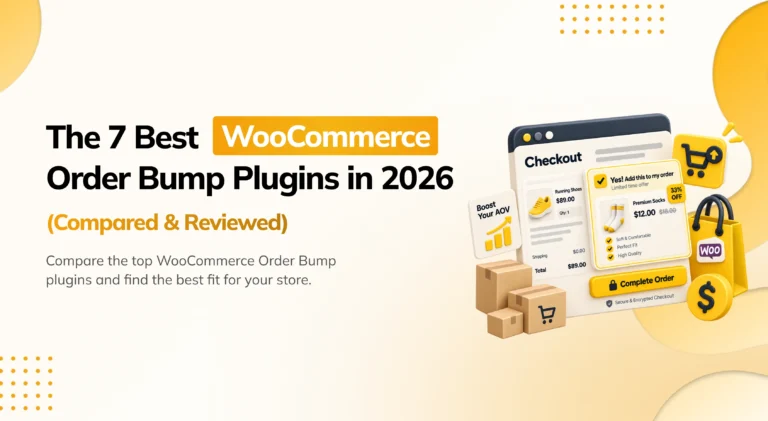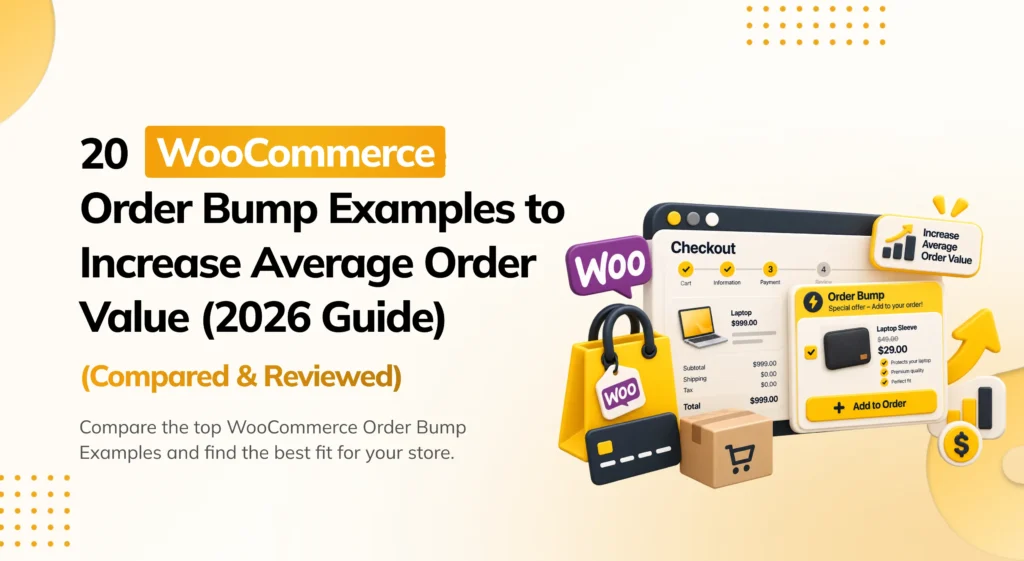
Picture a customer at your checkout page. They’ve picked their product, typed in their shipping address, and are one click away from paying. This is the moment an order bump lives in, a single, small checkbox that offers one more relevant item, right before they hit “Place Order.”
It works because it asks almost nothing of the customer. They’ve already made the big decision, they’re buying something. Saying yes to one more small, cheap, obviously useful item takes a single click, no new page, no re-thinking the purchase, no typing in payment details again.
But most order bumps fail quietly. Store owners often add a random discount code, an unrelated product, or something priced too close to the main item, and then wonder why nobody clicks the checkbox. A good order bump doesn’t just exist, it’s built around a specific moment: what is this customer definitely going to need next, and how cheap can I make saying yes?
This guide walks through 20 order bump examples, each one grounded in a real customer scenario so you can see exactly why it works, not just what it says. Use them as a starting point, then adjust the product and price to fit your own catalog.
Electronics & Tech Order Bump Examples
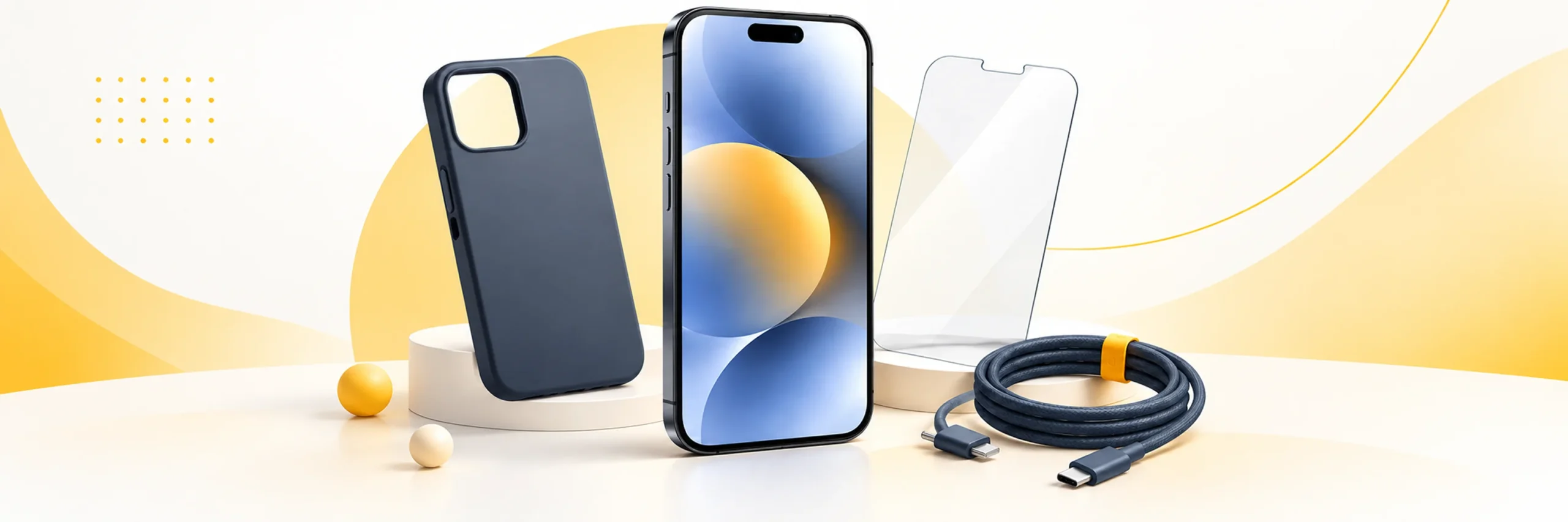
1. Phone case with a phone purchase
The scenario: A customer has just spent $650 on a new phone. It’s the single biggest purchase in their cart today, and it’s arriving in a plain box with no protection at all.
Checkout wording: “Add a protective case for your new phone, just $9?”
Why it works: The need is obvious and immediate. A $650 phone with no case feels genuinely unfinished, almost risky, and $9 barely registers next to the total they’re already paying. The customer isn’t being sold something they don’t need, they’re being reminded of something they’d have to buy anyway, later, probably for more.
Try this variation: Show a small thumbnail of the actual case color that matches the phone they picked, rather than a generic case image. Seeing the specific product makes the offer feel considered rather than automated.
2. Screen protector with a laptop or tablet purchase
The scenario: A parent is buying a tablet for their kid’s schoolwork. They haven’t thought about scratches yet, they’re focused on getting the device itself sorted.
Checkout wording: “Protect your screen from scratches, add a tempered glass protector for $7?”
Why it works: It solves a problem the customer hasn’t consciously thought about yet, but will recognize the moment it’s mentioned. A tablet in a backpack, in a kid’s hands, is going to get scratched eventually. $7 to prevent that is an easy yes.
Try this variation: Mention the specific use case in the wording, “Protect your screen from scratches, add a tempered glass protector for $7?” becomes even stronger as “Keep it scratch-free in a backpack or bag, add a tempered glass protector for $7?”
3. Extended warranty with an appliance purchase
The scenario: A customer is buying a $400 washing machine, a real investment for their household, and one they’re hoping lasts for years without any issues.
Checkout wording: “Extend your warranty to 3 years for an extra $19?”
Why it works: Big-ticket appliances carry real anxiety about breaking down. $19 for peace of mind, on a $400 purchase, is a small price for removing a worry the customer is already quietly holding.
Try this variation: Add a single line of reassurance underneath the checkbox, something like “Covers parts and labor,” so the customer knows exactly what they’re paying for without needing to click through to a separate page.
4. A second charging cable with electronics
The scenario: A customer buying a new laptop already knows the feeling of hunting for a charger that’s stuck at the office, or left in another room, right when the battery dies.
Checkout wording: “Add a spare charging cable for $6, keep one at home and one at work?”
Why it works: This isn’t a hypothetical problem, it’s one almost everyone has actually lived through. The bump doesn’t invent a need, it names a familiar annoyance and offers a cheap, immediate fix.
Try this variation: Frame it around a specific scenario relevant to your audience, “one for your desk, one for your bag” for students, or “one for the car, one for the house” for a more general audience.
Fashion & Beauty Order Bump Examples
5. Shoe care kit with a shoe purchase
The scenario: A customer just spent $180 on a pair of leather boots they’re genuinely excited about, the kind of purchase they want to look good for a long time.
Checkout wording: “Keep your new shoes looking fresh, add a care kit for $12?”
Why it works: People treat purchases they’re excited about differently than routine ones, they want to protect them. This bump ties directly into that emotional state, offering to help preserve something the customer already feels good about.
Try this variation: Pair the wording with the material of the specific shoe, “Keep your new leather boots looking fresh” is more specific and convincing than a generic “keep your shoes looking fresh.”
6. Travel-size version of a skincare product
The scenario: A customer just bought their favorite serum in the full-size bottle. They travel occasionally for work, and the full bottle isn’t something they want to pack every time.
Checkout wording: “Add a travel-size version of this serum for $8, perfect for your bag or a trip?”
Why it works: It’s not a different product, it’s the same trusted item in a more convenient format, which removes the usual hesitation about trying something new. The low price makes it feel like a small, sensible add-on rather than a separate purchase decision.
Try this variation: If your store sells multiple skincare items, offer the travel size of whichever product the customer bought most recently in the past, not just the current cart item.

7. Jewelry cleaning cloth with a jewelry purchase
The scenario: A customer just bought a $220 necklace, something they plan to wear regularly and want to stay looking as good as the day they bought it.
Checkout wording: “Add a polishing cloth to keep your new piece looking new, just $5?”
Why it works: At $5, next to a $220 purchase, this bump is essentially free in the customer’s mind. It directly protects the shine and value of something they clearly care about, since they just paid a meaningful amount for it.
Try this variation: Bundle two or three cloths together for slightly more ($5 for one, $8 for a set of two), letting price-sensitive and less price-sensitive customers both find an option that fits.
8. Gift wrapping for a clothing or accessory order
The scenario: A customer is buying a scarf two weeks before a birthday. They haven’t said it’s a gift anywhere in their order, but the timing and item make it likely.
Checkout wording: “Is this a gift? Add gift wrapping for $4?”
Why it works: It removes a task the customer would otherwise have to do themselves, buying wrapping paper, finding tape, actually wrapping it neatly. For $4, outsourcing that entire chore is an easy decision for anyone short on time.
Try this variation: Add a small note field so customers can include a short gift message, turning a simple wrapping upsell into a more complete gifting experience.
Home, Kitchen & Food Order Bump Examples
9. Extra filters with a coffee maker or air purifier
The scenario: A customer just bought a coffee maker that needs a specific filter type, one they won’t be able to grab at just any store nearby.
Checkout wording: “Stock up now, add a 3-pack of replacement filters for $14?”
Why it works: This bump pre-solves a future errand. In three months, the customer will need filters anyway; buying them now, while they’re already checking out, saves a separate trip or a rushed reorder later.
Try this variation: Add a small note about how long the pack typically lasts, “a 3-pack usually lasts about 6 months,” so the customer can quickly judge the value for themselves.
10. Recipe book or guide with kitchen equipment
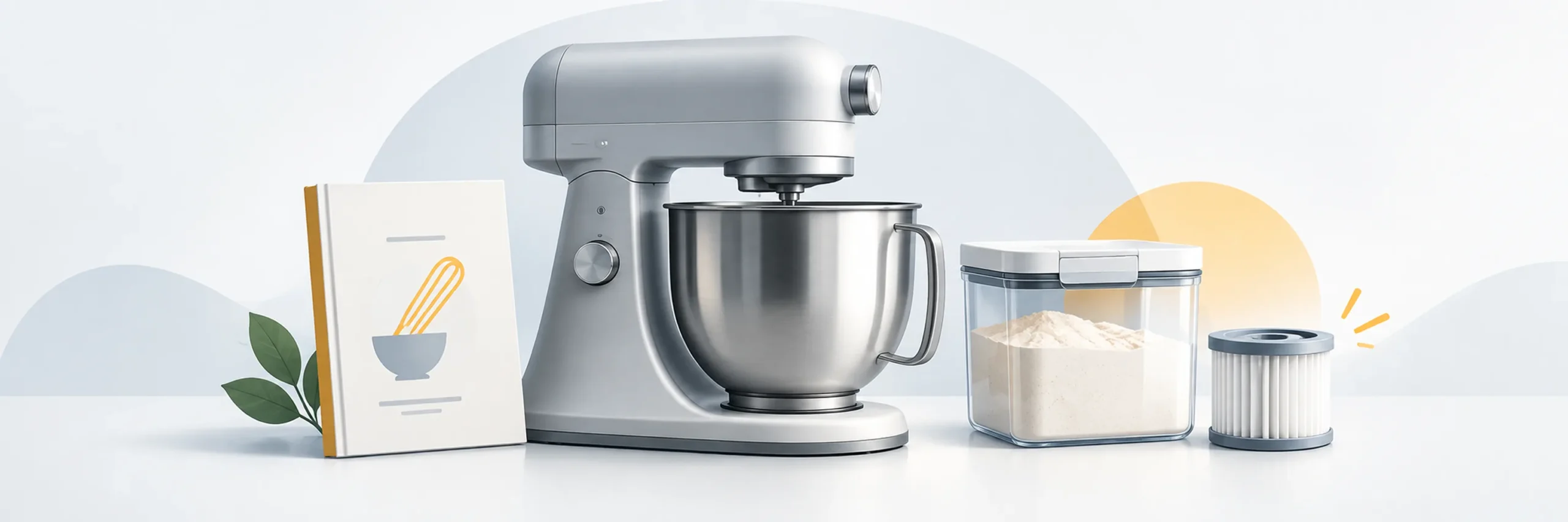
The scenario: A customer just bought a $150 stand mixer, but has never really used one before and isn’t sure where to start beyond basic cookie dough.
Checkout wording: “Get the most out of your new appliance, add our recipe guide for $6?”
Why it works: New equipment often sits unused because the buyer doesn’t know what to do with it. This bump directly addresses that hesitation, making the $150 purchase feel more likely to actually get used, which reduces the customer’s buyer’s remorse before it even starts.
Try this variation: Offer a digital, instantly-downloadable version at an even lower price ($3) for customers who might hesitate at paying for a physical book they’ll need to wait for.
11. Reusable storage container with a food or spice purchase
The scenario: A customer just bought a specialty spice blend online, the kind that isn’t available at their local grocery store, and they want it to stay fresh for as long as possible.
Checkout wording: “Add an airtight storage jar to keep it fresh, just $9?”
Why it works: The customer already cares enough about this product to seek it out online rather than settle for a local substitute. Protecting that investment with proper storage is a natural, low-friction next step.
Try this variation: Mention shelf life specifically, “Keep it fresh for up to 12 months,” to make the value of the container concrete rather than vague.
12. Gift card with a home goods purchase
The scenario: A customer is checking out with a $90 order of home decor items, clearly someone who’s already comfortable spending on your store.
Checkout wording: “Add a $10 gift card to your order, for yourself or to send to a friend?”
Why it works: Unlike a physical add-on, this doesn’t require finding something “related” to the purchase, it works regardless of what’s in the cart. It also plants a seed for a future order, either from the same customer or someone they gift it to.
Try this variation: Frame it around the season if relevant, “Add a $10 gift card, perfect for a last-minute gift,” during a holiday shopping period.
Health & Fitness Order Bump Examples
13. Resistance bands with home gym equipment
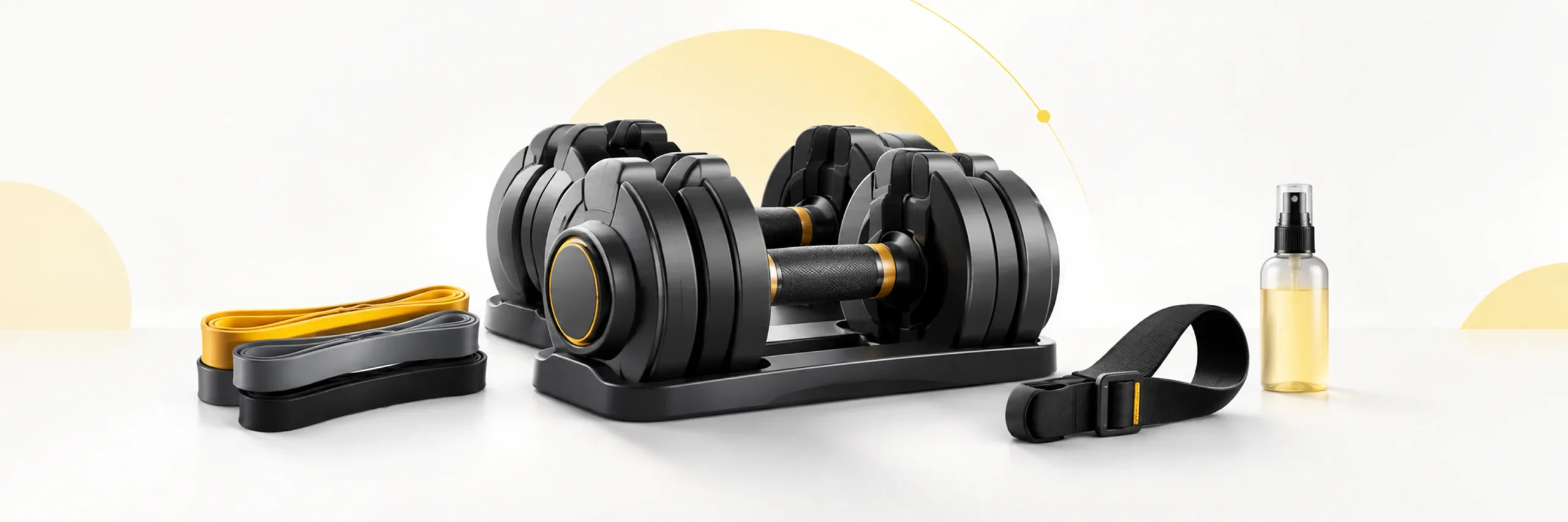
The scenario: A customer just bought an adjustable dumbbell set to start working out at home, motivated and ready to build a full routine.
Checkout wording: “Add a set of resistance bands to expand your workouts, just $11?”
Why it works: Someone investing in home fitness equipment is thinking about their whole routine, not just one piece of it. A cheap, complementary tool that expands what they can do fits naturally into that mindset, without asking them to reconsider the main purchase.
Try this variation: Mention a specific use, “add resistance bands for warm-ups and stretching,” to help the customer picture exactly how they’d use it.
14. Refill pack with a supplement purchase
The scenario: A customer just bought a month’s supply of a supplement they plan to take daily, meaning they’ll run out and need to reorder in about four weeks.
Checkout wording: “Save time later, add a second bottle at 15% off?”
Why it works: This isn’t a hypothetical future need, it’s a near-certain one. The discount adds a concrete reason to buy now rather than wait, and the customer avoids the minor hassle of placing a second order later.
Try this variation: Frame the savings in dollars as well as percentage, “Save $4 by adding a second bottle now,” since a dollar amount can feel more tangible than a percentage.
15. Yoga mat strap or carrying bag with a yoga mat
The scenario: A customer just bought their first yoga mat and mentioned in their order notes that they’re planning to start attending a local class.
Checkout wording: “Add a carrying strap to make your mat easier to bring anywhere, $8?”
Why it works: It directly extends the usefulness of the exact item just purchased, for a customer who’s clearly planning to actually use it somewhere other than their living room. It completes the purchase rather than distracting from it.
Try this variation: If your store sells the mat in multiple colors, offer a strap that matches or complements it, small personalization details like this tend to increase perceived value.
16. Cleaning spray with fitness equipment
The scenario: A customer just bought a yoga mat and a set of resistance bands, clearly gearing up for regular workouts at home.
Checkout wording: “Add equipment cleaning spray to keep it fresh after every workout, $7?”
Why it works: Anyone who has ever owned workout equipment knows it eventually needs cleaning. Naming that inevitability upfront, at a low price, feels considerate rather than like an unnecessary upsell.
Try this variation: Bundle it specifically with mat purchases and mention “safe for all mat materials” to remove any hesitation about whether it will damage the product.
Universal Order Bumps That Work in Almost Any Store
17. Small percentage-off upgrade to the next size or quantity
The scenario: A customer has a medium-sized item in their cart. The large size costs only slightly more to produce or ship, but is priced higher.
Checkout wording: “Upgrade to the larger size for just $4 more?”
Why it works: This works across nearly any product category with size or quantity tiers, clothing, food, cleaning supplies, because the price gap is deliberately kept small enough that “why not” becomes the natural response.
Try this variation: If applicable, mention the per-unit savings, “get 50% more for just $4 extra,” to make the value of upgrading obvious at a glance.
18. Priority or expedited shipping
The scenario: A customer is checking out for a birthday gift that needs to arrive in the next few days, though they haven’t mentioned the date anywhere in their order.
Checkout wording: “Get it faster, add priority shipping for $6?”
Why it works: Speed has broad, universal appeal, and customers who are excited about a purchase, or working against a deadline, are often willing to pay a small amount just to reduce their own uncertainty about when it will arrive.
Try this variation: Show an estimated delivery date difference directly in the offer, “Standard: arrives in 5-7 days. Priority: arrives in 2-3 days, add for $6,” since a concrete comparison is more persuasive than a vague promise of “faster.”

19. Donation add-on at checkout
The scenario: A customer who has shopped with a values-driven brand before is checking out, and the brand has a visible connection to a specific cause or charity.
Checkout wording: “Round up your order to donate $1.20 to [cause]?”
Why it works: While this usually doesn’t grow revenue for the store directly, it builds goodwill and brand affinity, and works in literally any store regardless of what’s being sold, since it’s tied to values rather than the product itself.
Try this variation: Show a running total of how much the community has donated collectively, since seeing a larger, ongoing impact tends to encourage individual participation.
20. A small, discounted “mystery” or surprise add-on
The scenario: A customer is checking out from a store known for fun, playful branding, the kind of shop where a little unpredictability fits the overall vibe.
Checkout wording: “Add a surprise bonus item for just $5?”
Why it works: Curiosity is a strong, nearly universal motivator, and a low, fixed price removes the risk of real disappointment, since the customer isn’t expecting much for $5 in the first place.
Try this variation: Occasionally reveal what past “mystery” items have been, in a review or on social media, to build trust that the surprise items are genuinely worth having.
What Makes These Examples Work
Looking across all 20, the same few patterns show up again and again:
- The price is always small relative to the main purchase. None of these bumps ask for a meaningful percentage of what the customer is already spending, which keeps the decision fast and low-stakes.
- The wording is phrased as a question. “Add a case for $9?” invites a simple yes or no, which is an easier mental step than evaluating a standalone product listing.
- The connection to the main item is immediate and obvious. None of these require the customer to think hard about why the two things belong together, the relevance is visible at a glance.
- Most solve a problem the customer would face later anyway. Replacement filters, spare cables, and refill packs all pre-empt a future need instead of manufacturing a new one out of nowhere.
- The scenario, not just the product, drives the offer. A phone case matters more right after buying a phone than at any other time. Timing the offer to the customer’s actual situation is what turns a generic add-on into something that feels genuinely useful.
How to Set Up an Order Bump in WooCommerce
WooCommerce has no native order bump feature, so setting one up means choosing a plugin that can add a single checkbox to the checkout page, right before payment, with its own price and discount logic.
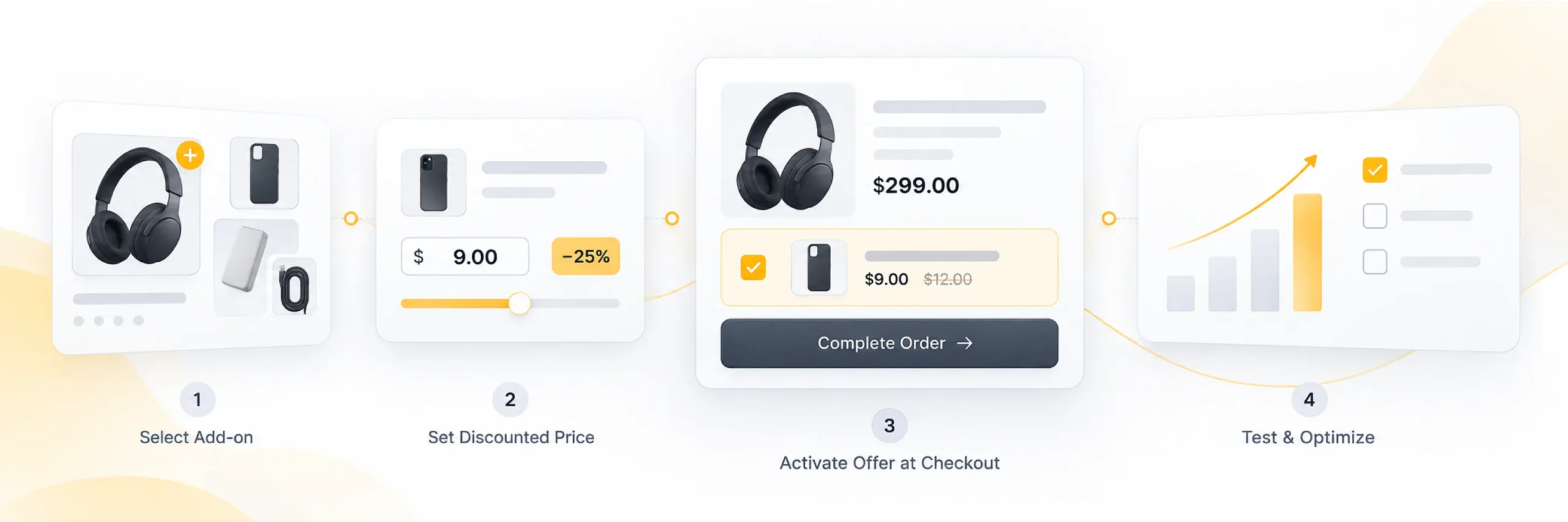
- Choose your bump product. Pick something cheap, obviously related, and genuinely useful alongside the main purchase, ideally something the customer will need soon regardless.
- Set the price and discount. A small discount off the item’s normal price (10–20%) gives customers a second reason to say yes, beyond just the convenience.
- Write the checkout copy as a question. “Add [item] for $[price]?” tends to outperform a plain product listing, and mentioning the specific scenario (as shown throughout this guide) tends to outperform a generic version of the same offer.
- Set targeting rules, if your plugin supports them. Show different bumps depending on what’s already in the cart, rather than one generic bump for every order.
- Test on both classic and block-based checkout. WooCommerce’s newer Cart and Checkout Blocks need to be confirmed working before you rely on the bump for live orders.
- Check your reports after a couple of weeks. Look at how many customers saw the bump versus how many accepted it, and swap out anything underperforming for a different product or wording.
A plugin like PickPair handles all of this, the checkbox, the discount, the targeting rules, and the reporting, from one dashboard, alongside product page bundles, cart cross-sells, and post-purchase offers.
Frequently Asked Questions
Generally somewhere between $5 and $15, and well under 10% of the average order value. The goal is a price low enough that the decision feels automatic, not one that requires real consideration.
No. Shipping upgrades, gift wrapping, donations, and even digital add-ons like an extended warranty or a downloadable guide all work as order bumps, as long as they’re cheap and clearly explained.
Start with one. If it converts well, a second, different bump can add incremental revenue, but more than two tends to clutter the checkout page and can hurt overall conversion rather than help it.
Testing across many stores generally shows that phrasing the bump as a direct question, “Add a case for $9?”, performs better than a flat product listing, since it invites a simple yes/no response rather than requiring the customer to evaluate a product on their own.
Yes, and it often helps. A small discount, 10–20% off the item’s usual price, gives the customer a second reason to say yes beyond convenience alone.
An order bump is a specific delivery mechanism, a single checkbox shown at checkout, right before payment. A cross-sell is the broader concept of suggesting a related product; it can be delivered as an order bump, or shown elsewhere, like the product page or cart.
No. A single plugin like PickPair can run multiple order bump types, along with product page bundles and cart cross-sells, from the same dashboard, with targeting rules to show different bumps to different customers.
Conclusion
A good order bump doesn’t need to be clever, it needs to be cheap, obviously related, and easy to say yes to. The 20 examples above cover electronics, fashion, home goods, fitness, and universal ideas that work in almost any store, but the underlying pattern is the same across all of them: notice a small, real need the customer already has, and offer to solve it for a price too low to think twice about.
Start with one bump that clearly fits your best-selling product, write it around the customer’s actual situation rather than a generic pitch, and check your reports after a couple of weeks to see whether it’s actually converting before adding a second one.
Ready to add order bumps like these to your WooCommerce checkout, along with product page bundles, cart cross-sells, and post-purchase offers, all from one dashboard? PickPair handles the setup, targeting, and reporting for you.