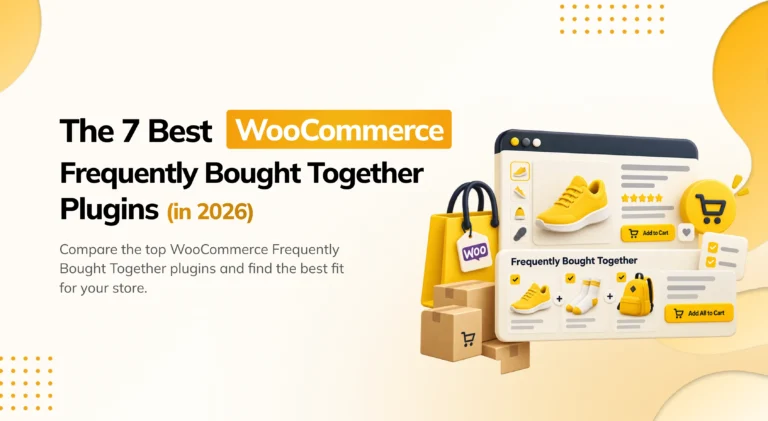
Anyone who has shopped on a major marketplace has seen the box: “Frequently bought together,” with two or three items pre-selected and one button to add them all to the cart. It works because it does the customer’s thinking for them. Instead of wondering “do I need anything else for this?”, the answer is already sitting right there, chosen, priced, and one click away.
The mistake most stores make is treating this box as a place to push whatever needs to sell, rather than what actually belongs together. A genuinely good Frequently Bought Together combination doesn’t feel like a sales tactic, it feels like the store paid attention to what the product is actually for.
This guide walks through 20 real-world combinations across different store categories, each one grounded in an actual customer scenario, so you can see not just what pairs well, but why. Use them directly if they match your catalog, or as a template for building your own pairings.
Electronics & Tech Combinations
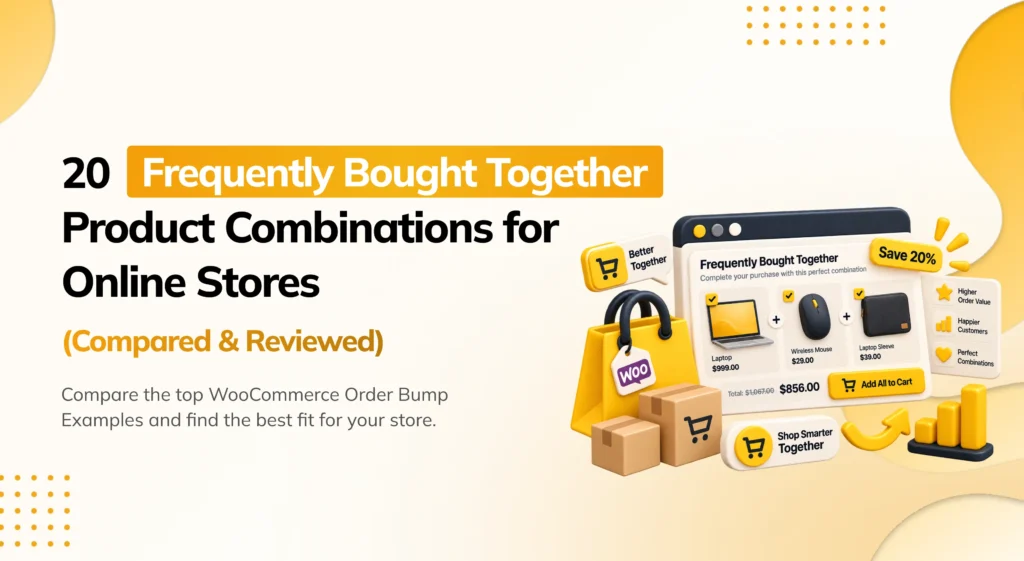
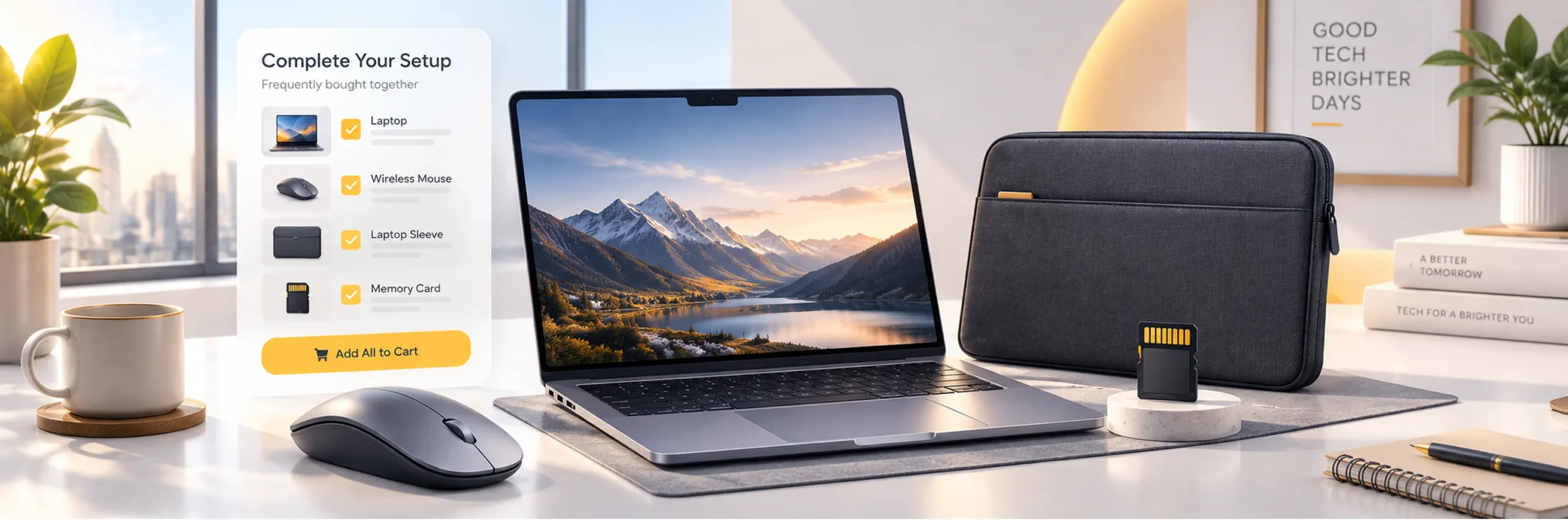
1. Laptop + wireless mouse + laptop sleeve
The scenario: A customer is buying a new laptop for work or school. It’s a significant purchase, and they haven’t necessarily thought yet about how they’ll actually use or transport it day to day.
The bundle offer: “Frequently bought together: this laptop, a wireless mouse, and a protective sleeve, $38 when bought together (normally $46).”
Why it works: None of these items compete with the laptop itself, they complete the setup. A mouse and a sleeve are things almost every laptop owner eventually buys anyway; showing them now, at a small discount, turns a future purchase into a same-day one.
Presentation tip: Show the sleeve in a color or size that fits the specific laptop model being viewed, a generic sleeve photo undersells how tailored the suggestion actually is.
2. Camera + memory card + camera case
The scenario: A customer buying a dedicated camera, rather than just using their phone, is likely a hobbyist or someone with a specific event coming up, a trip, a wedding, a new interest in photography.
The bundle offer: “Frequently bought together: this camera, a 128GB memory card, and a padded case, save $15 when bundled.”
Why it works: A camera without a memory card is functionally useless out of the box, and a case protects an investment the customer clearly cares about. This isn’t an upsell attempt, it’s closing an obvious gap in what they’ll need on day one.
Presentation tip: Mention the memory card’s capacity in practical terms, “128GB, holds approximately 6,000 photos or 4 hours of 4K video,” so the value is concrete rather than just a number.
3. Gaming console + extra controller + headset
The scenario: A customer buying a new gaming console is often planning to play with a friend, partner, or family member, not alone, even if the order only reflects one unit.
The bundle offer: “Frequently bought together: this console, an extra controller, and a gaming headset, $65 for all three (normally $79).”
Why it works: A single controller limits the console to solo play, which undercuts a big part of why people buy these systems in the first place. Naming that limitation and solving it immediately removes a very likely second purchase down the line.
Presentation tip: If your store has controller color options, show a few different colors in the bundle image, letting the customer picture ordering a second controller that doesn’t just match the console exactly.
4. Smartwatch + extra bands + screen protector
The scenario: A customer buying a smartwatch is often planning to wear it daily, through workouts, showers, and different outfits, which means one band won’t always be the right fit.
The bundle offer: “Frequently bought together: this smartwatch, two extra bands, and a screen protector, $28 when added together.”
Why it works: Watch bands are cheap to produce but meaningfully change how the device looks and feels day to day, which makes the upsell feel more like personalization than an add-on.
Presentation tip: Show band colors that complement (not just match) the watch face color shown in the customer’s selected model, this suggests thoughtful styling rather than a generic accessory dump.
Fashion & Accessories Combinations
5. Dress + matching belt + statement jewelry
The scenario: A customer is buying a dress for a specific occasion, a wedding, a work event, a date, and is likely already thinking about how to complete the outfit, even if they haven’t shopped for the rest of it yet.
The bundle offer: “Frequently bought together: this dress, a matching belt, and a statement necklace, complete the look for $24 more.”
Why it works: Fashion purchases are rarely about a single item in isolation, customers are usually building a look. Presenting a coordinated combination saves them the separate task of searching for pieces that match.
Presentation tip: Use a single product photo showing the dress actually styled with the belt and jewelry, rather than three separate thumbnails, this sells the finished look, not just three unrelated SKUs.
6. Suit + tie + cufflinks
The scenario: A customer buying a suit is often shopping for a specific formal event and may not own the smaller accessories that complete formal wear, especially if this is their first suit purchase.
The bundle offer: “Frequently bought together: this suit, a coordinating tie, and cufflinks, $45 for the full set (normally $58).”
Why it works: These are exactly the small details that separate a complete formal look from an unfinished one, and they’re the kind of purchase a first-time or infrequent suit buyer might not think to shop for separately.
Presentation tip: Offer two or three tie color options within the bundle selector, so the customer feels like they’re customizing the outfit, not just accepting a fixed package.

7. Running shoes + performance socks + insoles
The scenario: A customer buying running shoes is often training for something specific, a race, a new fitness routine, and cares more about comfort and performance than a casual sneaker buyer might.
The bundle offer: “Frequently bought together: these running shoes, moisture-wicking socks, and cushioned insoles, $18 more for both.”
Why it works: Serious runners already know that the right socks and insoles meaningfully affect comfort over long distances. This combination speaks directly to that awareness rather than treating the shoes as a standalone product.
Presentation tip: Reference distance or use case directly, “recommended for runs over 5 miles,” which signals the bundle was chosen with real running conditions in mind, not just as a generic add-on.
8. Handbag + wallet + keychain
The scenario: A customer buying a designer or premium handbag is often building a small collection of matching accessories, rather than buying the bag in isolation.
The bundle offer: “Frequently bought together: this handbag, a matching wallet, and a coordinating keychain, save $20 when bundled.”
Why it works: Accessories that visually coordinate feel like a cohesive set rather than three separate purchases, which appeals to a customer already thinking about how items look together, not just individually.
Presentation tip: If your store shows customer photos or reviews, feature one showing the bag and wallet together in real use, social proof adds credibility that a product photo alone can’t.
Beauty & Personal Care Combinations
9. Shampoo + conditioner + hair mask
The scenario: A customer is buying a specific shampoo, often because they have a particular hair concern, dryness, color-treated hair, frizz, that a single product alone doesn’t fully solve.
The bundle offer: “Frequently bought together: this shampoo, its matching conditioner, and a weekly hair mask, $34 for the full routine (normally $42).”
Why it works: Hair care is rarely a one-product solution, and customers who care enough to buy a specific shampoo (rather than a generic supermarket brand) are usually receptive to completing the full routine from a brand they already trust.
Presentation tip: Label it explicitly as “the complete routine” rather than just listing three products, framing it as a system rather than a random pairing increases perceived value.
10. Razor + shaving cream + aftershave balm
The scenario: A customer buying a quality razor is often upgrading from a basic drugstore version, signaling they care more than average about the shaving experience itself.
The bundle offer: “Frequently bought together: this razor, shaving cream, and aftershave balm, $22 for all three (normally $29).”
Why it works: A better razor alone doesn’t fully solve for comfort or skin irritation, the cream and balm are what actually improve the day-to-day experience the customer is upgrading for in the first place.
Presentation tip: Mention skin type compatibility directly in the bundle description, “suitable for sensitive skin,” since irritation is often the exact problem customers are trying to solve by upgrading.
11. Foundation + makeup brush + setting spray
The scenario: A customer buying a new foundation shade, especially one they haven’t tried before, is often also unsure whether their current application tools and setup will do it justice.
The bundle offer: “Frequently bought together: this foundation, a blending brush, and a setting spray, $19 more for a flawless finish.”
Why it works: The foundation itself is only part of how good the final look turns out, application tools and a setting product both directly affect the result. Bundling them positions the store as helping the customer get a good outcome, not just selling a product.
Presentation tip: Include a short line about the brush type, “designed for liquid foundation application,” so the customer understands why this specific tool, not any brush, is being recommended.
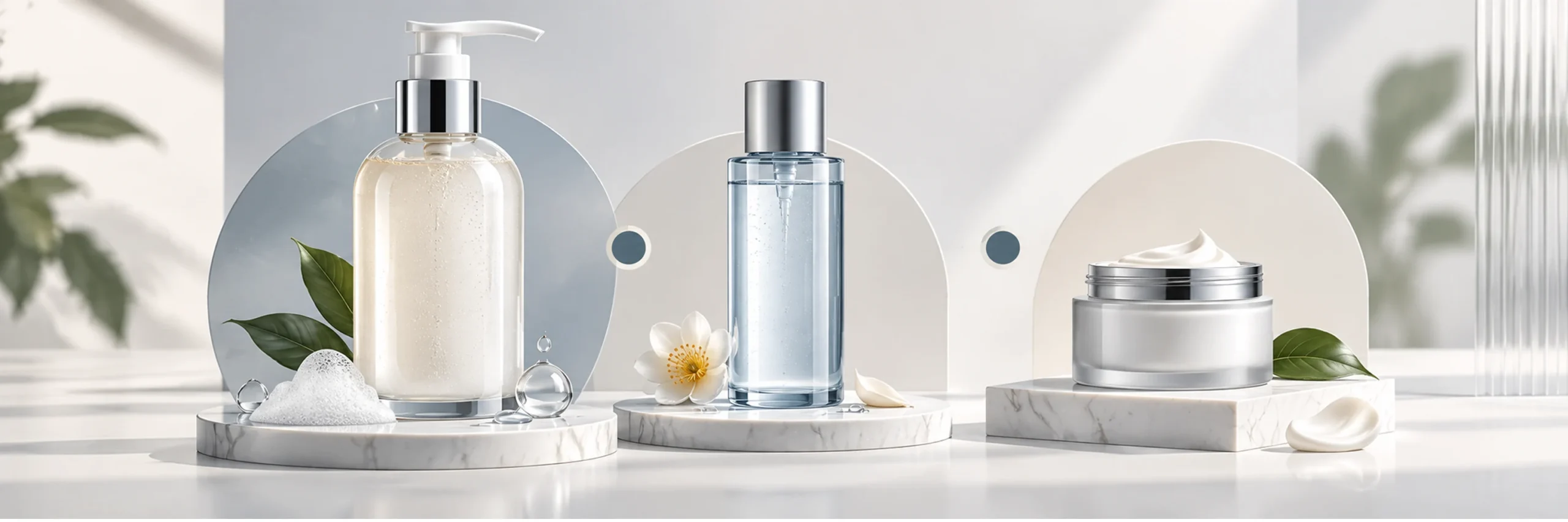
12. Cleanser + toner + moisturizer (skincare starter set)
The scenario: A customer new to a structured skincare routine is buying a single cleanser, often unsure what else, if anything, they actually need to pair with it.
The bundle offer: “Frequently bought together: this cleanser, a matching toner, and a lightweight moisturizer, $36 for the starter set (normally $47).”
Why it works: Skincare beginners often feel overwhelmed by too many options. A pre-selected, three-step starter set removes the guesswork and gives them a complete, simple routine to begin with.
Presentation tip: Add a one-line note about order of use, “cleanse, tone, moisturize,” directly under the bundle, this small bit of guidance builds trust that the pairing was chosen with real skincare knowledge, not just convenience.
Home & Kitchen Combinations
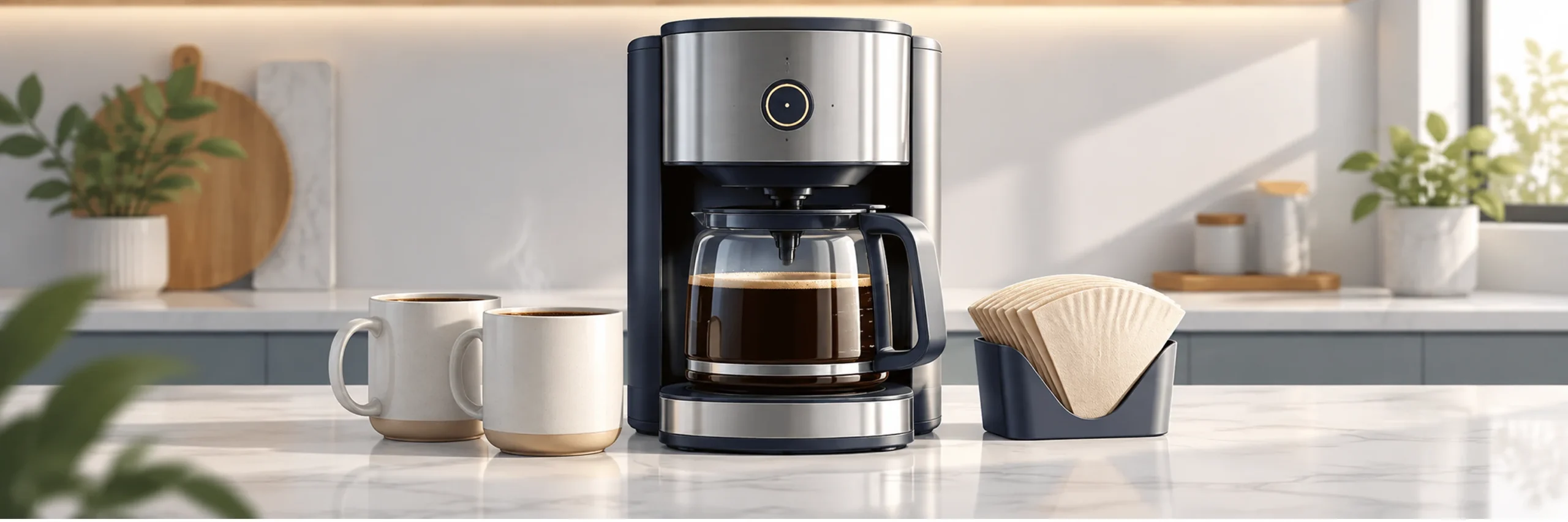
13. Coffee maker + replacement filters + a mug set
The scenario: A customer buying a new coffee maker is thinking about the machine itself, but hasn’t necessarily considered the ongoing filter costs or that they might not have enough matching mugs at home.
The bundle offer: “Frequently bought together: this coffee maker, a 6-month filter supply, and a 4-piece mug set, $24 more for everything you need to start.”
Why it works: Filters are a near-certain future purchase, buying them now removes a task from the customer’s future to-do list. The mug set adds a complete, ready-to-use feeling to the whole purchase.
Presentation tip: Emphasize “everything you need to start using it today” in the bundle description, appliance buyers respond well to the idea of an immediately usable, complete setup.
14. Blender + smoothie cups + recipe guide
The scenario: A customer buying a blender for the first time, often as part of a health or fitness goal, may not have a clear plan for what to actually make with it beyond a vague idea of “smoothies.”
The bundle offer: “Frequently bought together: this blender, to-go smoothie cups, and a recipe guide, $16 more to get started right.”
Why it works: New equipment that doesn’t get used quickly becomes a source of buyer’s remorse. Giving the customer a concrete plan (recipes) and a practical way to use the results (to-go cups) increases the odds the blender actually earns its place on the counter.
Presentation tip: Preview a couple of recipe names directly in the bundle description, “includes recipes for green smoothies, protein shakes, and frozen treats,” specifics sell better than a vague “recipe guide included.”
15. Bed sheets + pillowcases + duvet cover
The scenario: A customer buying new bed sheets is often refreshing their whole bedroom look, or replacing worn-out bedding entirely, rather than shopping for just one piece.
The bundle offer: “Frequently bought together: these sheets, matching pillowcases, and a duvet cover, $30 more for the complete set (normally $42).”
Why it works: Bedding is one of the clearest cases where customers want everything to visually match. Selling the pieces separately creates friction, having to check colors and patterns align across three separate product pages, that a single coordinated bundle removes entirely.
Presentation tip: Show one clean, styled photo of a fully made bed using all three items together, this is a category where the visual sells the bundle more than the description does.
16. Grill + tongs and spatula set + weather cover
The scenario: A customer buying a new outdoor grill is making a seasonal, fairly significant purchase, and is likely planning to use it regularly through the warmer months.
The bundle offer: “Frequently bought together: this grill, a tongs and spatula set, and a weatherproof cover, $32 more to protect your investment and start cooking.”
Why it works: The cover protects a genuinely significant purchase from weather damage, an easy yes for anyone who just spent real money on a grill, while the tools solve the immediate, practical need of actually being able to cook on day one.
Presentation tip: Mention the cover’s weather resistance specifically, “UV-resistant and waterproof,” since protecting an outdoor investment from the elements is the exact concern this item addresses.
Baby, Pet & Outdoor Combinations
17. Baby crib + crib mattress + fitted sheets
The scenario: A first-time parent buying a crib is assembling a nursery from scratch and may not realize the crib doesn’t come with a mattress or sheets included.
The bundle offer: “Frequently bought together: this crib, a certified crib mattress, and two fitted sheets, $55 more for a ready-to-use nursery setup.”
Why it works: New parents are often juggling a long list of first-time purchases and appreciate anything that reduces decision fatigue. Bundling the essentials removes the risk of buying a crib and later discovering, at an inconvenient moment, that the mattress and sheets were a separate purchase.
Presentation tip: Mention safety certification directly, “meets current crib mattress safety standards,” since safety reassurance carries extra weight in the baby product category specifically.
18. Dog leash + collar + training treats
The scenario: A customer bringing home a new puppy or rescue dog is often buying several first-time essentials at once, and training treats are easy to forget in the excitement of a new pet.
The bundle offer: “Frequently bought together: this leash, a matching collar, and training treats, $12 more for a complete starter kit.”
Why it works: New pet owners are in an active shopping mode, buying several things anyway, which makes this a natural moment to consolidate related purchases into one convenient set rather than several separate ones.
Presentation tip: Frame it as a “new pet starter kit” rather than three unrelated items, this framing matches the mental context the customer is already in.
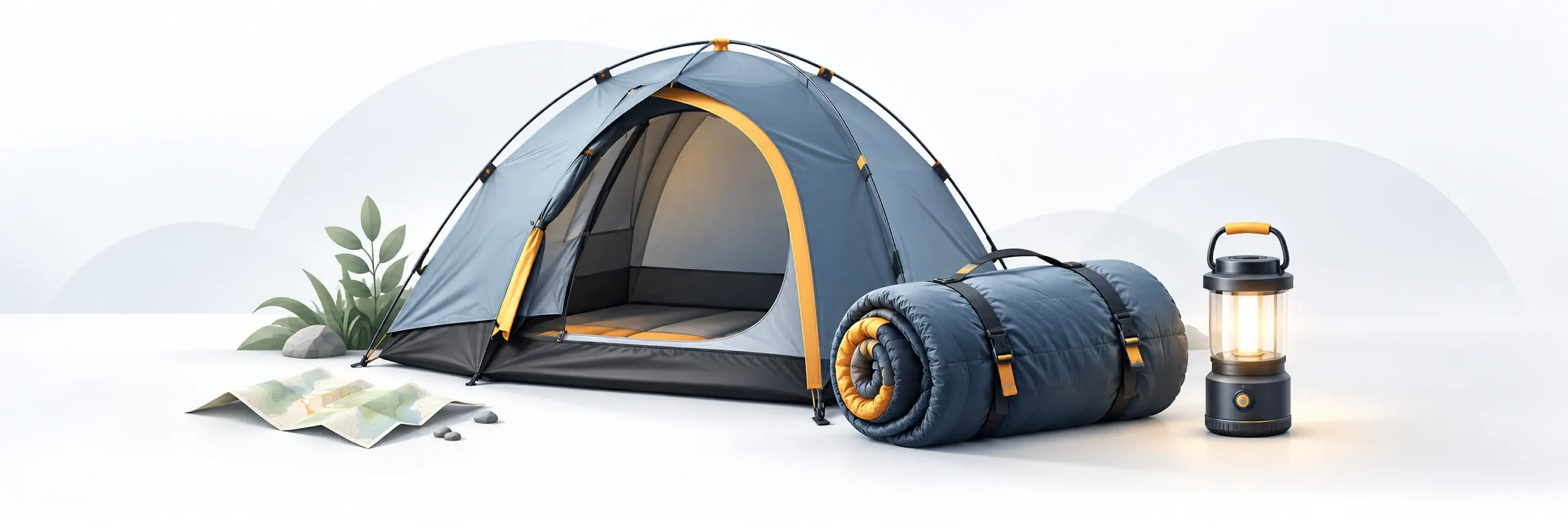
19. Tent + sleeping bag + camping lantern
The scenario: A customer buying a tent for the first time is likely planning an upcoming trip and assembling a full camping setup rather than replacing a single existing item.
The bundle offer: “Frequently bought together: this tent, a sleeping bag, and a rechargeable lantern, $40 more for a complete camping setup.”
Why it works: First-time campers often don’t know the full list of what they’ll need until they’re already out in the field without it. Bundling the essentials solves this upfront, before the trip, rather than the customer discovering a gap too late.
Presentation tip: Note the sleeping bag’s temperature rating and the lantern’s battery life directly in the bundle, practical specs matter more to outdoor gear buyers than general descriptions.
20. Yoga mat + carrying strap + yoga blocks
The scenario: A customer buying their first yoga mat, especially if they’ve mentioned starting classes, is likely still building out their basic practice setup.
The bundle offer: “Frequently bought together: this mat, a carrying strap, and a set of yoga blocks, $14 more to support your practice.”
Why it works: Blocks are especially useful for beginners working on flexibility, and a strap solves the practical problem of actually transporting a mat to a class. Both directly support someone just starting out, rather than upselling an unrelated accessory.
Presentation tip: Mention that blocks are recommended for beginners specifically, “great for building flexibility as you start your practice,” which reassures a new customer that this isn’t just an accessory upsell but a genuinely useful starting tool.
What Makes These Combinations Work
Looking across all 20 pairings, a handful of patterns repeat:
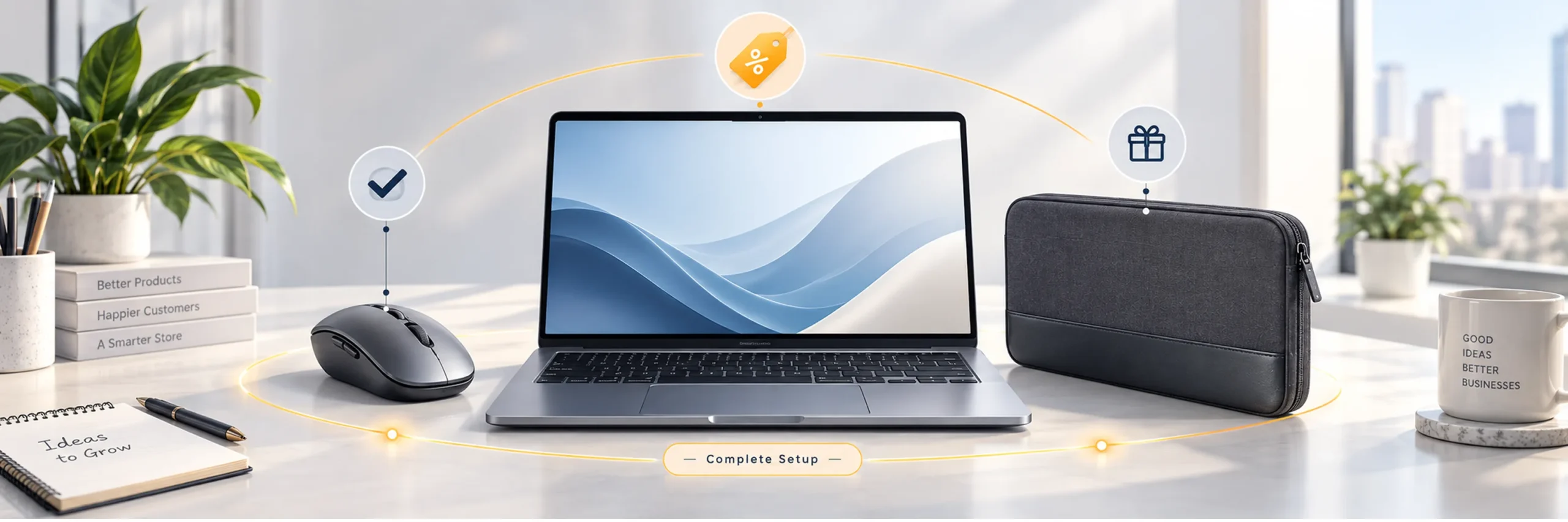
- The added items complete the main product, they don’t compete with it. A mouse doesn’t replace a laptop, and a sleeping bag doesn’t replace a tent, each pairing rounds out a purchase rather than asking the customer to choose between options.
- Most solve a need the customer would discover anyway, just later and less conveniently. Filters, memory cards, and starter kits all pre-empt a future trip back to the store, or worse, to a competitor.
- The discount is shown clearly, not buried in a vague “save money” message. Customers respond to seeing the specific dollar amount saved by buying together, not just a general sense that bundling is cheaper.
- The framing often names the customer’s actual situation. “New parent,” “first-time camper,” “training for a race,” these small contextual cues make the suggestion feel personal rather than automated.
- Three items is the practical ceiling. Every example above sticks to two or three items; beyond that, the box starts to look like a catalog dump rather than a curated suggestion.
How to Set Up Frequently Bought Together in WooCommerce
WooCommerce’s native “Related Products” feature only pulls items from the same category, which isn’t the same as a genuine Frequently Bought Together pairing with checkboxes and a bundle discount. To set up something like the examples above, you’ll need a dedicated plugin.
- Choose your pairing by hand, especially early on. Manual selection tends to produce more accurate, relevant combinations than automatic, order-history-based suggestions, particularly for a newer store or smaller catalog.
- Set a real, visible discount. A percentage off, a fixed amount off, or a flat bundle price, shown with the original price crossed out, makes the saving obvious at a glance.
- Write the bundle name around the customer’s situation, not just the products. “Everything you need to start” or “complete camping setup” tends to outperform a plain list of item names.
- Confirm stock is checked across every item in the bundle. A customer shouldn’t be able to complete a purchase if one of the bundled items has run out.
- Start with your best-selling products. Set up accurate pairings for your highest-traffic pages first, where the impact will be greatest, then expand outward.
- Check your reports after a couple of weeks. Look at views, clicks, and revenue for each pairing, and swap out anything that isn’t converting for a different combination.
A plugin like PickPair handles all of this, manual product selection, flexible discounts, stock checks, and built-in reporting, from one dashboard, alongside cart cross-sells, checkout order bumps, and post-purchase offers.
Frequently Asked Questions
The best combinations complete the main product rather than compete with it, solving a need the customer would likely have anyway, an accessory, a consumable, or a companion item, rather than an unrelated discount or a similar alternative product.
For a newer store or smaller catalog, manual selection tends to produce more relevant, accurate pairings. Once a store has significant order history, an automatic, order-data-based suggestion tool can supplement or replace manual selection with less ongoing effort.
There’s no universal number, but showing a specific, visible saving, “save $15” or “10% off when bought together”, tends to convert better than a vague message about bundling being cheaper. Test a moderate discount first and adjust based on results.
Two or three is the general sweet spot. Beyond that, the box starts to feel like a catalog dump rather than a curated, thoughtful suggestion, and customers are less likely to add everything.
It works best for stores where products naturally complement each other, accessories, consumables, matching sets, or complete kits. Stores selling entirely standalone items with no obvious companion products will find it harder to build genuinely useful pairings.
Yes. A reliable Frequently Bought Together plugin checks and reduces stock for every item shown in the bundle, not just the main product, to avoid promising an item that can’t actually be fulfilled.
Yes, and it often works well together. A Frequently Bought Together box on the product page, a cart cross-sell, a checkout order bump, and a post-purchase offer can all run from the same plugin, covering different moments in the customer’s journey without overlapping.
Conclusion
A genuinely good Frequently Bought Together combination doesn’t feel like a sales tactic, it feels like the store understood exactly what the customer was trying to do and made it easier. The 20 combinations above span electronics, fashion, beauty, home goods, and outdoor gear, but the underlying principle is the same throughout: pair the main product with something that completes it, price the bundle so the saving is obvious, and frame the offer around the customer’s actual situation.
Start with your best-selling product, choose a pairing by hand rather than leaving it to guesswork, and check your reports after a few weeks to see whether the combination is actually earning its place on the page.
Ready to build Frequently Bought Together bundles like these, alongside cart cross-sells, checkout order bumps, and post-purchase offers, all from one dashboard? PickPair handles the product selection, discount logic, stock checks, and reporting for you.